
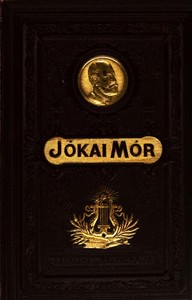
Nincsen ördög; A Magláy család; A ki holta után áll boszut by Mór Jókai
Let's talk about a book that feels like stepping into a foggy, forgotten corner of history. Mór Jókai's Nincsen ördög; A Magláy család; A ki holta után áll boszut (often translated as 'There Is No Devil') is a Hungarian classic that deserves a wider audience. It’s part family saga, part psychological mystery, and all atmosphere.
The Story
The plot centers on the Magláy family, whose grand estate is shadowed by ruin and rumor. Péter, a lawyer, comes to manage their legal and financial troubles. He finds a household gripped by fear. The patriarch is a broken man, the family is isolated, and everyone whispers about a devil in the nearby forest blamed for their misfortunes. As Péter digs deeper, he uncovers layers of old hatreds, hidden crimes, and bitter regrets. The 'devil' of the local lore becomes a symbol for the real, human evils that fester when secrets are kept. The story masterfully shifts from a potential ghost story to a gripping investigation of a family’s self-destruction.
Why You Should Read It
First, Jókai builds a mood you can almost touch. The decaying estate feels like a character itself. But what really hooked me were the people. These aren't just Gothic archetypes; they feel real in their flaws and fears. Jókai is brilliant at showing how a single, buried sin can poison generations. The title’s promise—'There Is No Devil'—hangs over every chapter, forcing you to look for the source of the evil in human hearts, not in fairy tales. It’s a story about guilt, inheritance (both financial and moral), and the stories we tell ourselves to avoid the truth.
Final Verdict
This book is perfect for readers who love classic, moody literature with a psychological punch. If you enjoy the feel of a Brontë novel or the moral complexities of Dostoevsky, but want a setting you probably haven't explored, this is your next read. It’s also great for anyone who likes a mystery where the puzzle is human nature, not a simple whodunit. Fair warning: it’s a product of its time (first published in 1895), so the pacing is deliberate, not fast. But if you let yourself sink into its world, the payoff is deeply satisfying. A hidden gem of European literature.
This text is dedicated to the public domain. It is available for public use and education.
Donald Martinez
8 months agoI stumbled upon this title during my weekend research and the evidence-based approach makes it a very credible source of information. A refreshing and intellectually stimulating read.
Kimberly Taylor
8 months agoRight from the opening paragraph, the language used is precise without being overly academic or confusing. I'll be citing this in my upcoming project.
George Martin
8 months agoI found the data interpretation to be highly professional and unbiased.
Paul Davis
9 months agoAs someone working in this industry, I found the insights very accurate.
Jennifer Gonzalez
9 months agoThe digital formatting makes it very easy to navigate.