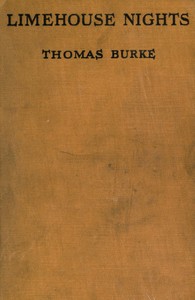
Limehouse Nights by Thomas Burke
The Story
*Limehouse Nights* is a collection of short tales all set in the grimy, mysterious Limehouse district of old London. But it’s no tourist guide. Burke gives us a cast that smells of fish and opium and fear. We meet these tough guys, desperate street kids, quiet Chinese women, and half-mad lovers. The plot? It’s not fancy—a kid gets beat by her monster of a father, or a lone white guy pieces his life together after trusting the wrong people. What matters is the *pressure*. You’re in each tiny room, watching the sparks fly and mean fates pulse. Burkes uses crime not as a puzzle, but a magnet pulling his people into sweet ruin. And at every turn, you think: can love or goodness survive this sticky town? That’s the fragile spark in each story.
Why You Should Read It
Strong>This book punches softer than you think. Sure, it’s rough and there are plenty of fists. Yet Burke wrote these tales like brush strokes—heavy, violet ghosts blending with drops of humor. The characters *feel* real. You won’t like them all, but you’ll care too much to leave. For a 100-year-old book, the sadness is sharp and fresh, kind of like watching *Peaky Blinders* with a slice of Arthur Rimbaud. You’ve got to look under the racist noises of the time because while those parts are sour, the passion for outcasts is beautiful syrup. Steer your mind past the ugly language, because the desperate hope burst through like light bulbs glowing in the cheap Chinatown shops.It’s one part fever dream, one part poetry read beside a dockside truck full of pilfered silk. If you dig literature that resists dust and rules, or fiction made of weather and velvet gloves over pounding hurt—this gives you that slow high.
Final Verdict
This rides best for readers who crave spiked writing; you know, something sweaty and honest. If you really loved the raw humanity of Jim Thompson or the hypnotic East End of Peter Ackroyd, grab it right now. Don’t expect easy heroes. This is perfect for people drawn to the ugly nightspots and the quiet marvel of survival. If you study storytelling that harnesses dangerous poignancy—or want a haunting, 1915-style ghost-for-vigilantes—cherish this odd little book. It will pit your ache and laugh and cold breath against each other, then shine.This book is widely considered to be in the public domain. It is available for public use and education.